The second newsletter of the European CEPOV Project is now online



NEWSLETTER
We are pleased to share the latest updates about the project Addressing the gap in multidisciplinary cooperation to enhance the protection of victims’rights (CEPOV) that is implemented from September 2024 until June 2026, with the financial support of the Justice Programme – European Commission, by the Association Pro Refugiu (Romania), University of Bucharest (Faculty of Law), Italian Coalition for Civil Liberties and Rights, University Roma Tre (Italy) Solwodi Germany and Scandinavian Human Rights Lawyers (Sweden).
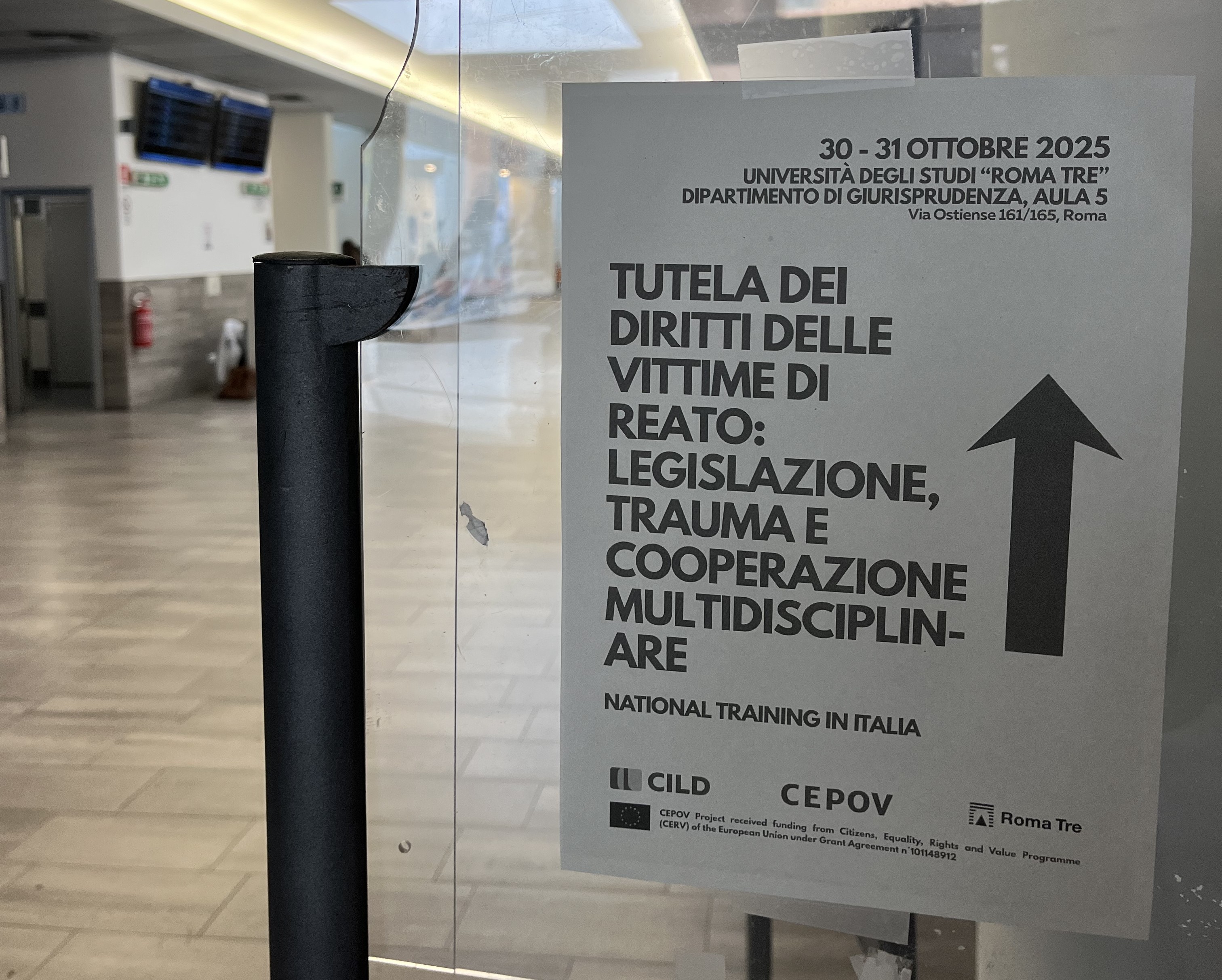
Between May and October 2025, 4 trainings were organized in Romania, Italy, Germany and Sweden, with a total of 147 lawyers, legal advisors, social counsellors, psychologists, police officers and other representatives from institutions and civil society organizations participating in these events. The events had a multidisciplinary and highly interactive approach, covering topics such as: the transposition of the EU legal framework at national level, how to mitigate challenges in providing legal assistance and other support services for victims of crime, trauma and its impact for the victims, how to effectively communicate with victims, strategies to consolidate interinstitutional cooperation to enhance access to assistance for victims of crime.
Starting with the summer of 2025, the organizations and institutions involved in this project have launched a social media campaign, which will run until the end of this project, the aim of the action in the online environment being to increase awareness about victims’ rights, procedures to report the crime, to contribute in behavior changes (e.g. to counter victim-blaming attitudes). The target of the online campaign is 100.000 social media users.
Between September and December 2025, the consortium partners launched an assessment of the legal aid services provided to victims of crime in each country, analyzing the national legislation and gathering information from numerous institutions and organizations in Romania, Italy, Germany and Sweden, the findings being presented in detail in 4 national reports.

 Views and opinions expressed are however those of the author(s) only and do not necessarily reflect those of the European Union or the granting authority [European Commission-Justice Programme]. Neither the European Union nor the European Commission can be held responsible for them.